Featured
The Facts About Support Provided for Your How Young Profe...
The 2-Minute Rule for Recovering Personal Financial Stand...
Getting The Rebuilding Your Financial Standing Following ...
What Does How Tech Is Making Financial Help More Accessib...
The Real Expense of Disregarding Financial Debt: Just How Expert Counseling Providers Are Changing Financial Healing
Table of Contents
Monetary stress has ended up being a specifying characteristic of modern-day American life. With complete charge card financial obligation surpassing $1.21 trillion and the ordinary cardholder owing more than $6,500, countless individuals discover themselves trapped in cycles of minimum settlements and intensifying passion. When charge card rate of interest hover around 23%, even small balances can balloon right into overwhelming problems within months.
For those drowning in debt, the concern isn't whether to seek help-- it's finding the ideal type of aid that will not make matters worse.
The Expanding Need for Debt Mercy Solutions
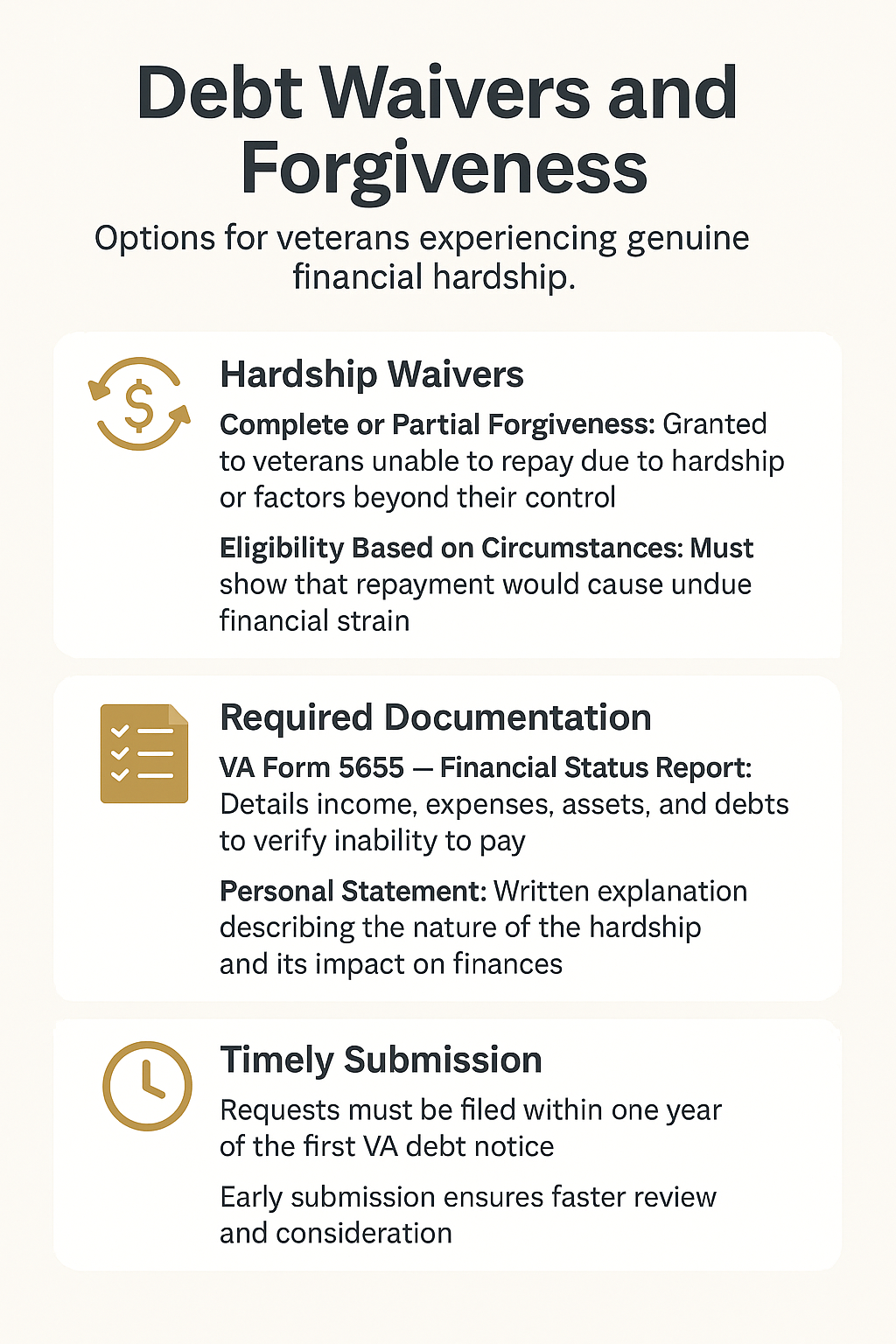
Debt mercy has actually arised as among the most searched economic subjects on-line, and for good factor. The idea of resolving financial obligations for much less than the total owed offers real intend to individuals who see no sensible path to paying their balances in complete.
The process generally functions like this: when charge card accounts go unsettled for 120 days or even more, lenders usually bill off the financial obligation. At this phase, they may approve decreased negotiations to recover at the very least a section of what's owed. Effective settlements can reduce equilibriums by 30% to 50%, depending on the financial institution and your demonstrated economic challenge.
Nevertheless, financial obligation forgiveness isn't totally free money. Cleared up accounts appear on credit report records as "" paid much less than full balance,"" which impacts your rating. In addition, forgiven amounts going beyond $600 may be reported to the internal revenue service as gross income. Comprehending these compromises prior to pursuing settlement is crucial.
Insolvency Therapy: The Misunderstood Safeguard
Personal bankruptcy carries significant preconception, yet it remains a reputable lawful tool designed to offer overwhelmed people a real fresh beginning. What many individuals do not become aware is that government law calls for two counseling sessions prior to and after declaring-- and these sessions exist especially to ensure you're making a notified decision.
Pre-bankruptcy credit therapy involves a detailed evaluation of your income, financial debts, and costs. Certified therapists existing alternatives you could not have taken into consideration, including debt monitoring programs or difficulty arrangements. This isn't about dissuading insolvency; it's about confirming it's absolutely your finest choice.
Post-bankruptcy borrower education prepares you for financial success after discharge. You'll discover budgeting methods, saving methods, and credit rebuilding comes close to made to avoid future monetary difficulties.
Organisations like APFSC offer both called for programs, with costs around $19.99 per session unless you qualify for difficulty waivers. Their accredited therapists give same-day certifications, and sessions commonly run 60 to 90 mins. This access matters when you're already stressed regarding finances.
Comparing Your Financial Obligation Relief Options
Recognizing the landscape of financial debt alleviation assists you make notified choices. Each approach brings unique advantages and drawbacks.
Financial Debt Administration Programs settle several unsecured debts into solitary regular monthly payments. Therapists negotiate with lenders to potentially decrease rate of interest without needing brand-new lendings. A lot of customers full these programs within three to five years. The primary advantage is paying debts completely while reducing total passion paid.
Financial obligation Negotiation bargains minimized payoff quantities, normally 30% to 50% much less than owed. This method requires quiting payments to lenders while building up settlement funds, which damages credit history ratings throughout the process. Results differ based on financial institution willingness and your demonstrated challenge.
Bankruptcy gives court security while removing or reorganizing debts. Phase 7 sells off certain assets to discharge unsafe financial obligations promptly. Chapter 13 establishes three-to-five-year repayment strategies for those with regular revenue. Insolvency remains on credit score reports for seven to 10 years but offers one of the most extensive clean slate.
Credit rating Therapy supplies education and guidance without always enrolling in formal programs. Licensed therapists assess your complete financial photo and suggest ideal next steps, which might consist of any of the above choices.
What Sets Nonprofit Therapy Apart
The distinction between nonprofit and for-profit financial obligation alleviation firms matters enormously. Nonprofit companies like those certified by the National Foundation for Debt Counseling (NFCC) operate under stringent ethical standards and charge policies. Their therapists undergo rigorous qualification and should recertify every two years.
For-profit financial debt settlement firms, conversely, may charge fees ranging from 15% to 25% of signed up financial obligation equilibriums. Some utilize hostile sales tactics and make unrealistic guarantees about outcomes. The Customer Financial Protection Bureau has recorded countless issues regarding predatory techniques in this market.
APFSC runs as a nonprofit therapy firm, offering free debt monitoring assessments and controlled costs for continuous services. Their HUD-approved real estate counselors include value for those dealing with foreclosure alongside basic debt problems. Solutions are available in English, Spanish, and Portuguese, increasing ease of access to underserved neighborhoods.
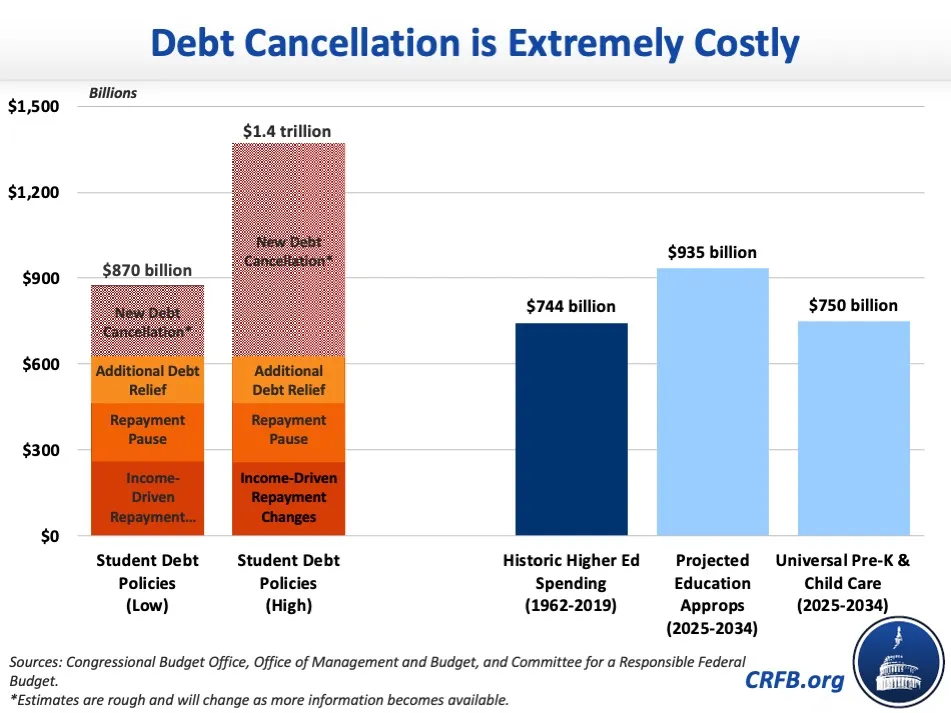
Study sustains the effectiveness of not-for-profit counseling. A research study appointed by the NFCC found that credit report therapy clients minimized revolving debt by $3,600 greater than contrast groups throughout the 18 months following their sessions. Almost 70% of individuals reported enhanced money management and greater financial self-confidence.
Indication of Predative Financial Obligation Relief Provider
Not all debt alleviation companies have your finest rate of interests at heart. Identifying warnings shields you from making a tough scenario worse.
Beware of firms that guarantee specific outcomes. No reputable service can promise specific settlement percents or timeline assurances due to the fact that results depend on private financial institutions and scenarios.
Avoid any kind of firm demanding huge in advance charges prior to supplying solutions. Legit nonprofit counseling provides complimentary preliminary examinations, and for-profit negotiation firms are lawfully forbidden from accumulating fees up until they successfully settle at least one financial debt.
Question anybody suggesting you to stop connecting with lenders totally without describing the effects. While calculated communication stops occasionally support settlements, total evasion can lead to legal actions, wage garnishment, and additional damage.
Legitimate companies discuss all alternatives truthfully, consisting of options that might not entail their paid solutions. If a firm pushes just one option no matter your situation, seek guidance somewhere else.
Taking the Primary Step Toward Recovery
Financial recovery begins with truthful assessment. Gather your newest declarations for all financial debts, compute your overall responsibilities, and review your practical monthly payment ability. This information develops the structure for any efficient therapy session.
Take into consideration organizing cost-free examinations with multiple nonprofit firms prior to committing to any type of program. Contrast their referrals, fee frameworks, and interaction styles. The ideal therapy connection should feel helpful as opposed to pressing.
Organisations like APFSC provide online conversation, phone consultations, and extensive consumption processes designed to understand your one-of-a-kind situation prior to suggesting remedies. Their financial debt monitoring calculator aids you visualise possible timelines and cost savings prior to signing up.
The Course Onward
Frustrating debt does not define your future-- yet ignoring it will. Whether debt forgiveness, bankruptcy therapy, or structured financial obligation management makes sense for your situation depends on variables distinct to your situations.
Professional guidance from certified nonprofit therapists illuminates choices you could never ever discover separately. These solutions exist particularly to help individuals like you navigate intricate economic challenges without predative fees or impractical pledges.
The ordinary American fighting with financial debt waits far as well lengthy prior to looking for help, permitting interest to compound and alternatives to slim. On a monthly basis of delay expenses money and prolongs your healing timeline.
How to Use Credit Cards Wisely to Avoid Debt : APFSCYour first conversation with a certified therapist prices absolutely nothing however can alter everything. Financial liberty isn't scheduled for the lucky-- it's offered to any person ready to take that first action towards recognizing their choices and committing to a realistic plan.

Table of Contents
Latest Posts

The Facts About Support Provided for Your How Young Professionals Can Avoid Debt Traps Early in Their Careers Journey Revealed
The 2-Minute Rule for Recovering Personal Financial Standing the Right Way
Getting The Rebuilding Your Financial Standing Following Bankruptcy To Work
More
Latest Posts
The Facts About Support Provided for Your How Young Professionals Can Avoid Debt Traps Early in Their Careers Journey Revealed
The 2-Minute Rule for Recovering Personal Financial Standing the Right Way
Getting The Rebuilding Your Financial Standing Following Bankruptcy To Work